
Data Breach Management Services: What Happens After an Incident?
Data breach management services provide a structured privacy workstream alongside technical containment. The aim is to establish facts, assess risk, record decisions, coordinate communications, and keep the organisation's responsibilities visible as the incident develops.
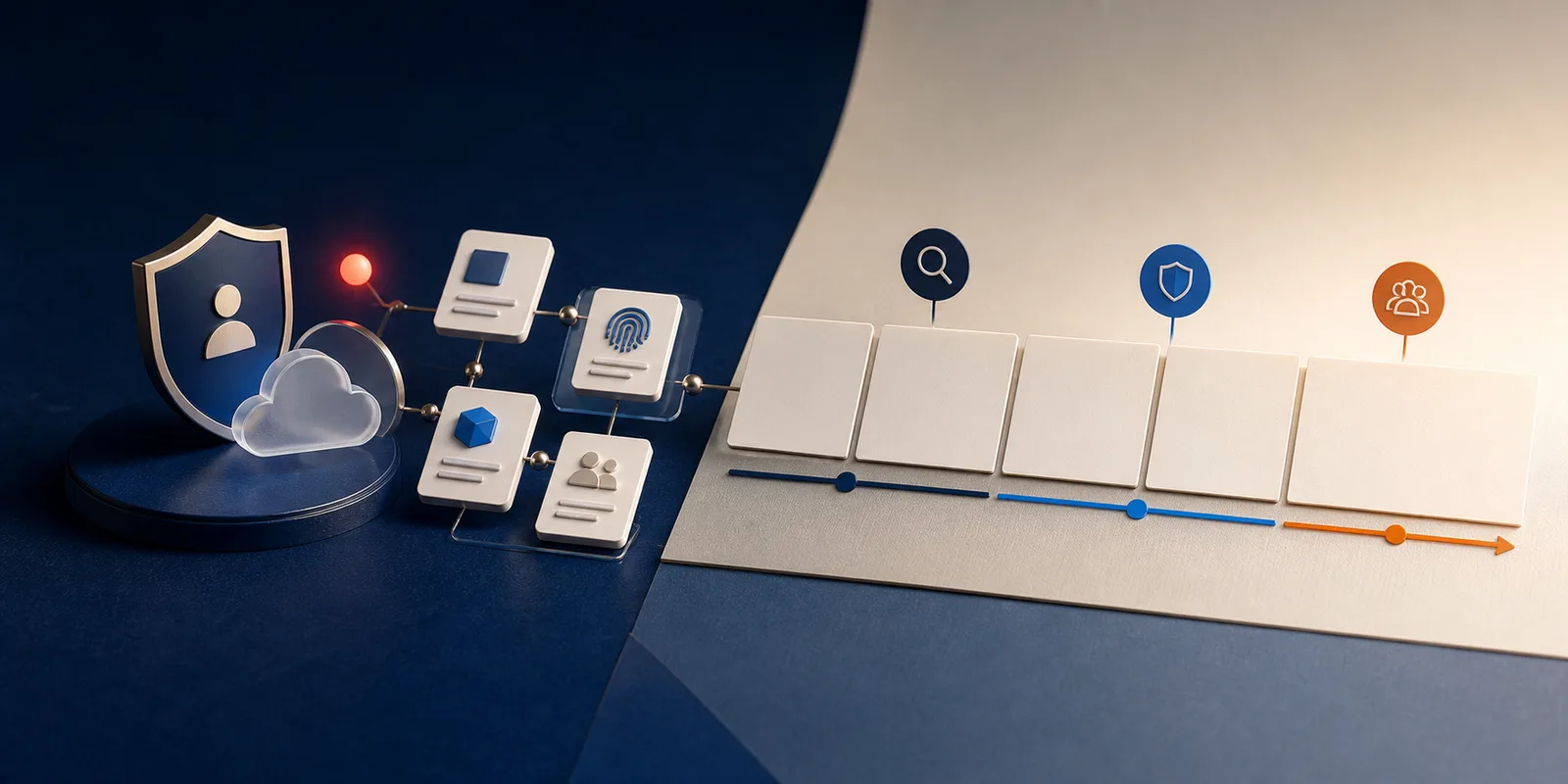
What data breach management services do
A data breach management service supports the privacy and coordination work that sits alongside security investigation and technical containment. It helps the organisation turn changing facts into a clear record of what happened, which personal data and people may be affected, what risks are present, which notifications or communications need consideration, and who owns the next action.
The work is iterative. The first record may contain open questions, while later updates add confirmed systems, people, data categories, vendor evidence, containment, and likely consequences. A strong process keeps facts separate from assumptions and records why material decisions changed as the investigation developed.
The first response workstream
The first priority is to establish a shared incident route. Identify the incident lead, privacy or legal owner, security lead, communications contact, affected business owner, relevant vendor, and senior escalation point. Preserve the earliest known time, what triggered the alert, which systems are involved, and what containment has already started.
Do not wait for a perfect forensic picture before starting the privacy record. At the same time, do not turn an unverified hypothesis into a public statement. Use a short fact log, a list of open questions, a decision owner, and the next review time. This keeps the privacy assessment connected to technical evidence without competing with the forensic investigation.
- Timeline and source of the initial alert.
- Systems, vendors, accounts, and access routes involved.
- Personal-data categories and approximate people or records affected.
- Containment, recovery, and evidence-preservation actions.
- Open questions, decision owners, deadlines, and next review time.
Risk assessment and notification decisions
Notification decisions depend on the applicable regime, the organisation's role, the affected people and data, the likelihood and severity of harm, the facts known at the time, and the relevant authority rules. The service can help organise the assessment and prepare decision material, but it should not promise a fixed outcome before those facts are known.
For cross-border organisations, assess each affected jurisdiction and contractual role rather than applying one global sentence to every incident. Keep a record of the reasoning, the evidence considered, the decision-maker, any notification or communication, and the plan for updating the assessment when the scope changes.
Communications, remediation, and follow-up
Incident communications should be accurate, proportionate, and coordinated with the facts. Affected customers, individuals, authorities, insurers, processors, and internal teams may need different information. The privacy workstream can help prepare options and wording while the accountable organisation decides what to send and when.
Closure is not the same as containment. Follow-up may include access review, vendor actions, retention changes, security improvements, training, notice updates, control testing, and a review of the incident playbook. Record the owner and completion test for each action so that lessons learned become an operating improvement rather than a final meeting.
How to choose breach-management support
For a live incident, ask whether the provider can join quickly, work with security and legal, handle incomplete facts, preserve confidentiality, and help the organisation meet the decision route for each relevant jurisdiction. For preparedness, ask whether the provider can build a playbook, templates, contact tree, escalation path, tabletop exercise, and review process that your teams can actually use.
Clarify the boundary with technical forensics, legal advice, public relations, insurance, and the organisation's own accountability. A privacy support service can coordinate and document the privacy workstream; it does not replace a forensic investigator, decide every legal issue, or guarantee a regulator's response. The scope should match the incident and the people who need to act.
Frequently asked questions
Do we need a data breach service for every security incident?
Not every security event involves personal data or creates the same privacy risk. A structured triage helps determine whether personal data is involved, which jurisdictions and roles matter, and what response work is needed.
Does the service replace our security team?
No. Security leads technical containment and investigation. Data breach management support coordinates the privacy assessment, decisions, communications, records, and follow-up alongside that work.
Can a provider decide whether we notify an authority?
A provider can support the facts, risk assessment, options, and documentation. The organisation remains responsible for the applicable legal decision, the accuracy of the information, and the notification or communication.
Can we prepare before an incident occurs?
Yes. A playbook, contact tree, templates, decision log, tabletop exercise, vendor route, and review process can reduce delay when a real incident occurs. The materials should be tested and kept current.
Keep researching
Related resources
A practical next step
Make the next privacy decision clearer
Bring your organisation, processing, jurisdictions, current documents, internal owners, and deadline. We can help identify the right scope before an appointment or wider workstream begins.
This guide provides general information, not legal advice or a conclusion that a particular organisation is required to appoint a role. Final scope, responsibilities, capacity, and deliverables should be confirmed against the organisation's facts.
Sources: EUR-Lex: GDPR text, ICO: Personal data breaches, FDPIC: Guidelines on data breaches