
EU GDPR service
EU Data Protection Impact Assessment Support
Assess privacy risk before launch and give decision-makers a clear record of safeguards, residual risk, and accountable next steps.
A practical service built around your evidence
A useful data protection impact assessment is a decision tool, not a form-filling exercise. We help product, legal, security, and operations teams describe the proposed processing, test necessity and proportionality, and evaluate risks to individuals.
The resulting assessment is written for practical use. It connects the project design to controls, owners, evidence, and review points so the organisation can show how privacy risk influenced the final decision.
Service outputs
What you receive
The exact scope is confirmed before work begins. These are the core outputs normally used to turn the review into accountable action.
DPIA scope
Defined processing activities, stakeholders, data flows, systems, and decision boundaries.
Risk analysis
A structured assessment of potential impacts on individuals and the controls already in place.
Action register
Prioritised safeguards with owners, evidence requirements, and target dates.
Decision summary
A concise management record of conclusions, residual risks, and review triggers.
How we work with your team
Confirm the scope
We agree the business question, processing, stakeholders, locations, deadlines, and evidence needed for a useful review.
Gather reliable evidence
We collect the relevant records, system and vendor information, existing documents, and input from accountable teams.
Complete the review
We test the current position, make assumptions explicit, resolve inconsistencies, and identify practical improvements.
Deliver and maintain
You receive decision-ready outputs, prioritised actions, accountable owners, and clear triggers for future review.
How we help
See how this service fits your organisation
Use the sections below to understand what we review, what you receive, what your team provides, and how you can keep the result useful after delivery.
01 · Fit
Is EU Data Protection Impact Assessment support right for your organisation?
Use this service when your product, engineering, security, legal, or operations teams are introducing processing that may create high risks to individuals. It is useful for a new product, material feature, monitoring system, sensitive-data use, or vendor architecture that changes your existing risk picture.
A DPIA is most useful before a new product, monitoring feature, sensitive-data use, large-scale service, or major vendor design is committed. The work brings product and engineering facts into the same decision as the effects on people, safeguards, alternatives, and residual risk. It should help a project decide what to change, what to accept, and what requires further advice.
02 · Decision
What you will be able to decide
The assessment should help decision-makers determine whether the processing is necessary and proportionate, what risks it creates, which safeguards reduce those risks, what residual risk remains, and whether the project can proceed, change, or needs further consultation.
The assessment should answer whether the proposed processing is proportionate, what could affect people, which safeguards reduce those effects, whether residual risk is acceptable, and who owns the decision. A DPIA is not a generic privacy form; it is a structured design and governance conversation tied to a real processing activity.
03 · Trigger
When to bring us in
A new technology, extensive monitoring, profiling, special-category data, children’s data, automated decisions, a large vendor change, or a new data combination can justify a DPIA conversation. A DPIA is also useful when a customer or governance process needs evidence that privacy risk influenced design.
04 · Evidence
What we need from your team
A useful assessment draws on data flows, purposes, people affected, systems, vendors, access, retention, security measures, transparency, rights, alternatives, and the project decision. It should show where the facts come from and avoid turning an unknown architecture into a confident conclusion.
Bring the feature or service description, data flows, users, purposes, data categories, recipients, retention, access model, vendor architecture, security controls, testing, alternatives, notices, and change timeline. We can work with diagrams and tickets as well as formal documents, provided the evidence explains how the proposed operation will work in practice.
05 · People
Who should join the work
The project owner owns the business facts and the decision. Product, engineering, security, legal, privacy, procurement, accessibility, and user-research teams may contribute depending on the processing. The DPO or privacy adviser provides advice and challenge but does not become the project owner.
06 · Method
How we will work together
The work scopes the processing, maps the flow, tests necessity and proportionality, identifies risks, evaluates controls, records residual risk, and turns safeguards into actions. The assessment should be revisited when the design, vendor, data, purpose, or risk changes materially.
The output should be visible in the project route: design changes, safeguards, open questions, risk acceptance, consultation or escalation, and review triggers. We can help translate the assessment into engineering actions, product decisions, supplier questions, notice changes, and a concise management record that survives after the launch meeting.
07 · Output
What you will receive
You receive a decision-ready assessment with clear risks, safeguards, owners, evidence, residual risk, and review triggers. Your project team and leadership can read it without losing the detail needed by security and privacy reviewers.
08 · Friction
What can make this harder
DPIAs become paperwork when they are started after the design is fixed, owned only by privacy, or completed without technical evidence. They also fail when risks are listed without a decision owner, or when safeguards are promised but not connected to tickets, controls, contracts, or launch gates.
09 · Maintenance
How you keep it current
Keep a DPIA register, review date, project owner, change triggers, and action status. Reopen the assessment after incidents, material feature changes, new datasets, new vendors, changed jurisdictions, or evidence that a safeguard does not work as expected.
Update the DPIA when the purpose, data, model, audience, supplier, access, retention, geography, or safeguard changes. A release gate or architecture review can reopen it before a change reaches production. Keep the version, decision owner, unresolved risk, and next review event with the product record rather than storing the DPIA in an unrelated privacy folder.
10 · Boundaries
What stays with your organisation
DPIA support does not approve a project, replace security engineering, or guarantee that no residual risk remains. The organisation decides whether and how to proceed, documents the decision, and implements the safeguards it accepts.
11 · Scope
What to prepare before you start
Bring the project description, architecture or data flow, intended launch, known vendors, existing privacy or security material, and decision deadline. A focused assessment can start with one priority flow instead of waiting for every global document to be perfect.
- Real feature, process, or service being designed
- Data flow, affected people, and proportionality evidence
- Safeguards, alternatives, residual risk, and owner
- Engineering and product actions tied to the assessment
- Release or change trigger for the next review
12 · Buyer brief
What your first working brief should contain
A DPIA brief should describe the real feature or process, intended users, purpose, data categories, affected people, systems, vendors, recipients, locations, retention, access, safeguards, alternatives, and launch or change date. Include the product and engineering owner who can explain the design. If an AI, monitoring, sensitive-data, or large-scale element is involved, say so plainly. The assessment becomes useful when it can influence a design decision before the business has committed to the route.
Keep the DPIA beside the project record. Convert recommendations into design changes, safeguards, tests, notice updates, supplier questions, risk acceptance, and review triggers. Name who decides whether residual risk is acceptable and what evidence will show that an action closed. Reopen the assessment when the feature, audience, model, vendor, geography, retention, or access changes. A completed template is not the outcome; a defensible design decision that remains understandable after launch is.
13 · First test
What we will test first
The first DPIA period tests the feature or process against purpose, affected people, data, access, recipients, vendors, safeguards, alternatives, and launch timing. We ask which design choice would change the impact and who can approve residual risk. Product and engineering owners should be able to use the output as a decision record, not only as a completed privacy form. Convert the findings into tickets, controls, supplier questions, notice updates, and a release or change gate. Reopen the assessment when the feature, audience, model, vendor, location, retention, or access changes. This lets the organisation show why the design was selected and which safeguards are still expected after launch.
14 · Working record
How the result stays usable
A useful result has a home after delivery. Keep the source evidence, decision, owner, scope, open actions, and next review together in a register, project record, contract file, or management routine that your team already uses. The format can be short; it just needs to make the next action and the reason for reopening the question visible. That is how professional input stays connected to the business instead of becoming a document that no one can find when the facts change.
15 · Progress
How you can judge progress
Judge progress by what your team can use and explain. Look for a supported decision, an owner who understands the action, a route that works in practice, and evidence that the agreed output reached the right system, notice, contract, ticket, or meeting. A large document or a high-level score is not enough on its own. The stronger signal is fewer repeated questions, clearer escalation, and a review date that responds to actual change.
16 · Proportion
What a proportionate scope looks like
A proportionate scope should leave you with enough detail to act and enough clarity to know what remains outside the work. We will ask for the facts that can change the answer, explain material uncertainty, and keep specialist dependencies visible. You should be able to tell a manager what was reviewed, an operating owner what to do next, and a future reviewer what event would reopen the question. That balance protects your budget and makes the result more likely to stay useful after delivery.
17 · Handoff
What remains with your organisation
Your organisation remains responsible for the processing, resources, implementation, and final business decision. We can review the supplied facts, provide professional direction, prepare agreed outputs, and make open issues easier to act on. Bring in security, technical, employment, communications, or specialist legal expertise when the question needs it. Before you buy, name the decision, evidence, owner, deadline, and boundary so the selected scope is proportionate and easy to judge.
In practice
See what you can expect
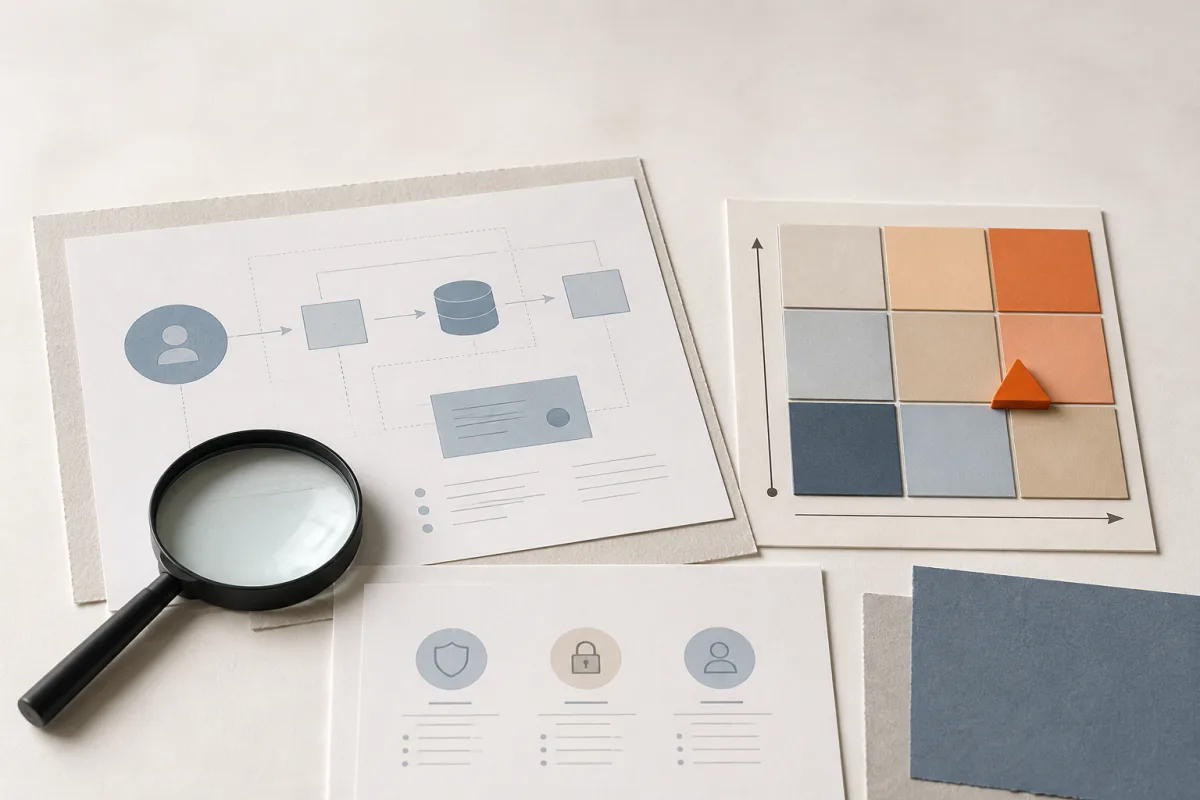
Each view shows a different part of the buyer journey: the evidence, decision, working route, safeguards, and review point behind the service.





Frequently asked questions
Can you review an existing DPIA?
Yes. We can assess an existing document for gaps, unclear assumptions, missing evidence, and actions that have not been closed.
Who should participate in the DPIA?
The right group depends on the project, but commonly includes the business owner, product or operations, security, legal or privacy, and relevant vendors.
Is the assessment finished once the document is approved?
Not always. Material changes, new risks, incidents, or control failures may justify revisiting the assessment.
Related European Union services
EU Data Breach Management
Structured EU data breach assessment, documentation, response coordination, and supervisory-authority communication support.
EU GDPR Compliance Programme
Build a practical EU GDPR compliance programme with clear priorities, ownership, documentation, controls, and review routines.
EU International Data Transfer Support
Map EU data transfers, review transfer mechanisms, assess practical safeguards, and maintain decision-ready transfer documentation.
EU Privacy Governance Framework
Define EU privacy responsibilities, decision rights, reporting, escalation, and evidence across leadership and operating teams.
Discuss the scope before you commit
Tell us what changed, what evidence you already have, and which decision or deadline the work needs to support.
Service information is general and does not replace advice based on the facts of a specific matter. Final scope, responsibilities, and deliverables are confirmed in the service documentation.