
EU GDPR service
EU Privacy Governance Framework
Give privacy work clear ownership and a repeatable route from operational questions to documented decisions and leadership oversight.
A practical service built around your evidence
Policies alone do not create governance. Teams need to know who owns each decision, which matters require escalation, what evidence must be retained, and how leadership receives a realistic view of privacy risk.
We design a governance model that fits the organisation's size and operating structure. The aim is a system people can use: defined roles, workable forums, consistent reporting, and integration with product, security, procurement, and incident processes.
Service outputs
What you receive
The exact scope is confirmed before work begins. These are the core outputs normally used to turn the review into accountable action.
Responsibility model
Clear ownership and participation for core privacy activities and decisions.
Governance calendar
Practical review forums, reporting intervals, inputs, and accountable participants.
Escalation criteria
Defined triggers for material risk, incidents, high-risk projects, and leadership decisions.
Evidence framework
A structured approach to retaining approvals, actions, assessments, and monitoring results.
How we work with your team
Confirm the scope
We agree the business question, processing, stakeholders, locations, deadlines, and evidence needed for a useful review.
Gather reliable evidence
We collect the relevant records, system and vendor information, existing documents, and input from accountable teams.
Complete the review
We test the current position, make assumptions explicit, resolve inconsistencies, and identify practical improvements.
Deliver and maintain
You receive decision-ready outputs, prioritised actions, accountable owners, and clear triggers for future review.
How we help
See how this service fits your organisation
Use the sections below to understand what we review, what you receive, what your team provides, and how you can keep the result useful after delivery.
01 · Fit
Is an EU privacy governance framework right for your organisation?
If you lead teams across product, security, procurement, people, customer, and legal functions, this service helps privacy responsibilities work across them. It fits organisations where decisions rely on informal relationships or reporting does not give management a dependable view of open risk.
Privacy governance becomes valuable when questions arrive from many teams but no one can explain how they become decisions. A product launch, supplier, marketing campaign, employee process, incident, or customer questionnaire may each create a different request. This service gives the organisation a practical route for triage, ownership, advice, escalation, and management visibility.
02 · Decision
What you will be able to decide
The framework should clarify who decides, who advises, which issues require escalation, what evidence is retained, and how leadership receives a useful signal without creating another committee that no one attends. Governance is successful when it improves decisions and accountability rather than adding ceremony.
The goal is to decide who handles which question, what evidence is required, when privacy input is mandatory, how risk is accepted, and what leadership needs to see. Governance should support delivery rather than introduce a second approval bureaucracy. We design the lightest route that matches the organisation’s change volume, risk, and resources.
03 · Trigger
When to bring us in
Growth, a new product, a security incident, a customer audit, an acquisition, a DPO appointment, or repeated disagreement between teams can show that governance is missing. The service can also help when policies are correct but people do not know where to take a real processing question.
04 · Evidence
What we need from your team
The design uses existing forums, decision rights, risk registers, product gates, vendor processes, incident procedures, DPO access, policies, and management reporting. The review should observe how decisions are made in practice and then fit privacy responsibilities into the useful parts of that system.
We map current committees, tickets, policies, decision records, risk registers, privacy contacts, product gates, procurement steps, security reviews, and incident routes. The exercise shows where a question is duplicated, dropped, or resolved without evidence. It also surfaces the language and reporting format that managers already use so governance can fit existing habits.
05 · People
Who should join the work
Leadership sponsors the model. Privacy, legal, security, product, engineering, procurement, HR, marketing, and customer teams describe their real decisions and dependencies. The goal is not to put every person in every forum; it is to make the right people available at the right point.
06 · Method
How we will work together
We map decisions and accountability, define escalation triggers, choose or adapt forums, set reporting inputs, and establish an evidence rhythm. Early meetings test the model: if a forum cannot reach a clear owner or action, we adjust it.
A usable framework may include a triage rule, intake form, role map, escalation criteria, decision record, meeting rhythm, metrics, and review calendar. We can help pilot it on real questions and adjust the route before it is formalised. Your teams still make product and business decisions; governance makes the relevant privacy reasoning visible and repeatable.
07 · Output
What you will receive
Outputs may include a responsibility matrix, governance calendar, escalation criteria, decision record, reporting template, DPO access route, and evidence framework. Each should be simple enough for teams to use during launches, incidents, vendor reviews, and day-to-day requests.
08 · Friction
What can make this harder
Governance becomes heavy when it duplicates existing risk or product forums, reports activity instead of decisions, or sends every low-risk question to leadership. It also fails when responsibilities are written without resources, access, or a way to challenge a decision.
09 · Maintenance
How you keep it current
Review the framework after a material incident, organisational change, product change, or recurring missed action. Keep the reporting small, refresh the responsibility model, and retire forums that no longer serve a decision. A living governance system should become easier to use over time.
Review the route after a reorganisation, major product change, incident, acquisition, new market, or sustained increase in privacy questions. Watch for workarounds: if teams bypass governance because it is slow or unclear, the design needs correction. Keep owners and escalation contacts in the same change process as the wider operating model.
10 · Boundaries
What stays with your organisation
Governance does not make the organisation compliant by itself, approve processing, or replace subject-matter specialists. It creates ownership and evidence around decisions that the organisation still has to make and implement.
11 · Scope
What to prepare before you start
Bring the current committees, recurring privacy questions, reporting pain, recent incidents, product or customer deadline, and senior sponsor. Decide whether the first phase should design the framework, test it in one business unit, or support implementation.
- Current privacy questions and where they enter the business
- Triage, escalation, evidence, and risk acceptance rules
- Existing product, security, procurement, and management routines
- Pilot route tested on real decisions
- Metrics and review triggers for governance health
12 · Buyer brief
What your first working brief should contain
Map where privacy questions enter the organisation before designing governance. Include product intake, procurement, security review, HR, marketing, support, incident response, customer diligence, management meetings, tickets, and risk registers. Identify where a question is duplicated, lost, or approved without evidence. Then define the minimum event that requires privacy input and the person who can escalate it. Governance should fit the way the organisation already makes decisions, not create a parallel approval bureaucracy.
Pilot the route on real questions before formalising it. Track the intake, source evidence, advice, owner, decision, risk acceptance, action, and review trigger. Watch whether teams bypass the process because it is slow or unclear. Report useful signals such as open actions, repeated questions, overdue reviews, and decisions without owners. Change the route after a reorganisation, incident, acquisition, or sustained increase in work. A governance framework is working when it helps decisions travel, not when it produces more meetings.
13 · First test
What we will test first
The first governance period maps real privacy questions and tests the proposed intake, triage, evidence, escalation, decision, and reporting route. Use product, procurement, security, HR, marketing, support, incidents, customer diligence, and management examples. The right design is the smallest route that makes ownership and risk visible without blocking delivery. Pilot it, record repeated questions and bypasses, and adjust the format before formalising it. Keep metrics tied to decisions, actions, overdue reviews, and unresolved evidence. Reopen the framework after a reorganisation, incident, acquisition, major product change, or sustained increase in work. Governance is successful when a question reaches the right owner at the right time.
14 · Working record
How the result stays usable
A useful result has a home after delivery. Keep the source evidence, decision, owner, scope, open actions, and next review together in a register, project record, contract file, or management routine that your team already uses. The format can be short; it just needs to make the next action and the reason for reopening the question visible. That is how professional input stays connected to the business instead of becoming a document that no one can find when the facts change.
15 · Progress
How you can judge progress
Judge progress by what your team can use and explain. Look for a supported decision, an owner who understands the action, a route that works in practice, and evidence that the agreed output reached the right system, notice, contract, ticket, or meeting. A large document or a high-level score is not enough on its own. The stronger signal is fewer repeated questions, clearer escalation, and a review date that responds to actual change.
16 · Proportion
What a proportionate scope looks like
A proportionate scope should leave you with enough detail to act and enough clarity to know what remains outside the work. We will ask for the facts that can change the answer, explain material uncertainty, and keep specialist dependencies visible. You should be able to tell a manager what was reviewed, an operating owner what to do next, and a future reviewer what event would reopen the question. That balance protects your budget and makes the result more likely to stay useful after delivery.
17 · Handoff
What remains with your organisation
Your organisation remains responsible for the processing, resources, implementation, and final business decision. We can review the supplied facts, provide professional direction, prepare agreed outputs, and make open issues easier to act on. Bring in security, technical, employment, communications, or specialist legal expertise when the question needs it. Before you buy, name the decision, evidence, owner, deadline, and boundary so the selected scope is proportionate and easy to judge.
In practice
See what you can expect
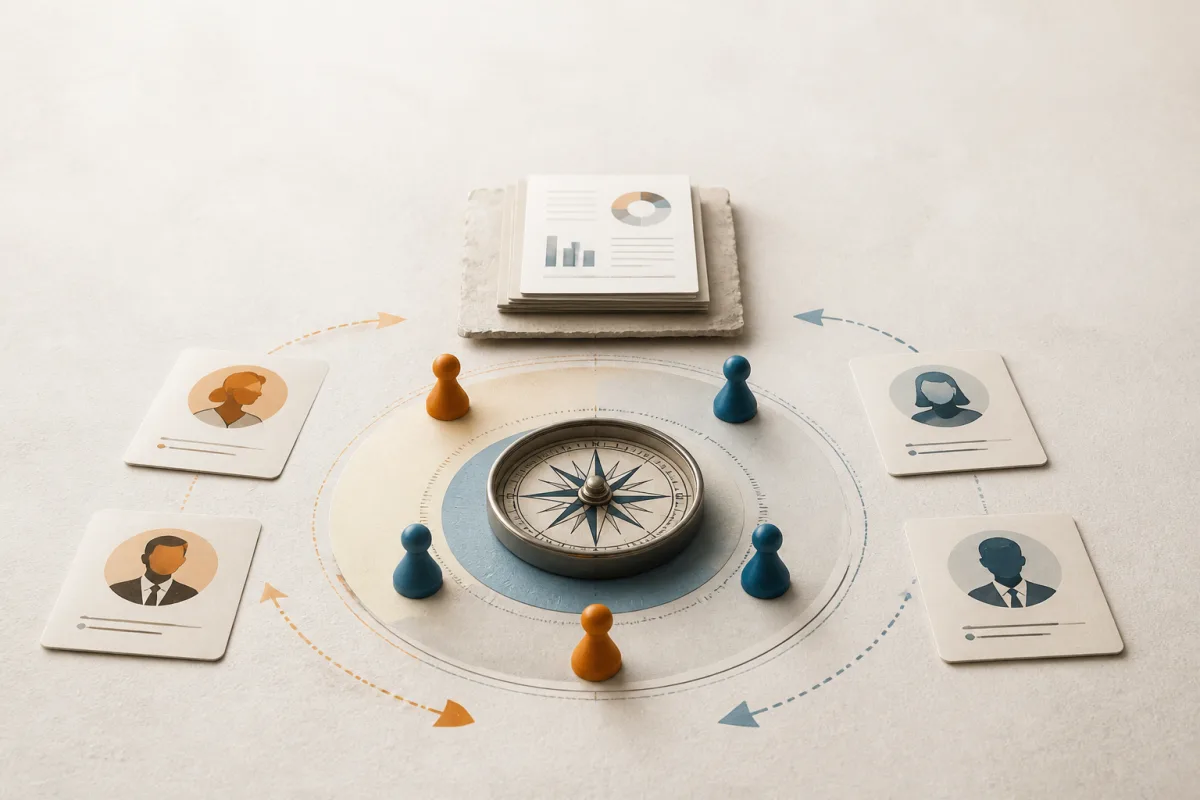
Each view shows a different part of the buyer journey: the evidence, decision, working route, safeguards, and review point behind the service.





Frequently asked questions
Is this only for large organisations?
No. Smaller teams also benefit from clear ownership and escalation, but the model should remain proportionate and easy to operate.
Can privacy governance use our existing committees?
Yes. Where existing risk, security, product, or compliance forums work well, privacy responsibilities can be integrated rather than duplicated.
What happens after the framework is designed?
We can support implementation, early meetings, reporting, action tracking, and adjustments based on how the model works in practice.
Related European Union services
EU Data Breach Management
Structured EU data breach assessment, documentation, response coordination, and supervisory-authority communication support.
EU Data Protection Impact Assessment Support
Practical EU DPIA support for high-risk projects, including scoping, evidence gathering, risk analysis, and documented recommendations.
EU GDPR Compliance Programme
Build a practical EU GDPR compliance programme with clear priorities, ownership, documentation, controls, and review routines.
EU International Data Transfer Support
Map EU data transfers, review transfer mechanisms, assess practical safeguards, and maintain decision-ready transfer documentation.
Discuss the scope before you commit
Tell us what changed, what evidence you already have, and which decision or deadline the work needs to support.
Service information is general and does not replace advice based on the facts of a specific matter. Final scope, responsibilities, and deliverables are confirmed in the service documentation.